
Israel and Lebanon held negotiations in the U.S. for the first time in 30 years: what was agreed upon
The USA, Israel, and Lebanon issued a joint statement following their historic trilateral meeting
Representatives from Lebanon and Israel met in Washington, marking the beginning of direct negotiations between the countries, which had not occurred for nearly 30 years.
This was reported by RBC-Ukraine, citing The Times of Israel.
Also read: Netanyahu announced direct negotiations with Lebanon after bombings
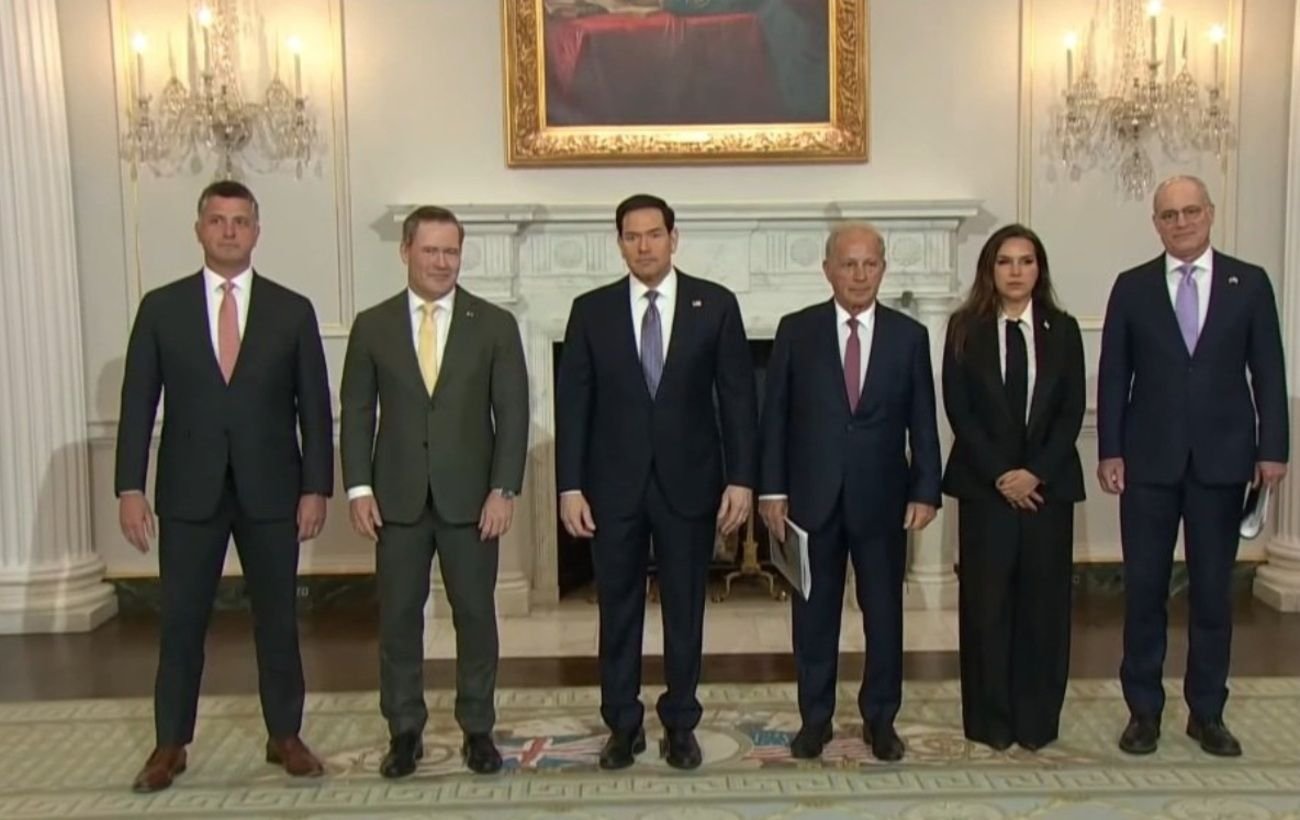
The negotiations took place in a separate room at the U.S. State Department. They were facilitated by U.S. Secretary of State Marco Rubio, U.S. State Department advisor Michael Nidegham, U.S. Ambassador to Lebanon Michelle Issa, and U.S. Ambassador to the UN Mike Waltz.
The published joint statement indicates that the meeting was not the actual start of peace negotiations, but rather a preparatory step towards achieving them.
The USA – once again mediators in negotiations
“The United States congratulated the two countries on this historic milestone and expressed its support for further negotiations, as well as for the Lebanese government’s plans to restore the monopoly on force and end Iran’s excessive influence,” the statement said.
Washington “expressed hope that the negotiations could go beyond the 2024 agreement and lead to a comprehensive peace agreement,” the statement noted, referring to the previous ceasefire in Lebanon achieved with the mediation of the Biden administration.
At that time, the ceasefire required “Hezbollah” to disarm and withdraw its forces from southern Lebanon – goals that largely remain unmet.
In its statement, the U.S. also expressed support for Israel’s right to defend itself against ongoing attacks from “Hezbollah” and noted that any ceasefire in Lebanon should result from negotiations between Jerusalem and Beirut, rather than being linked to any other directions.
The publication reminds that Iran sought to include Lebanon in the ceasefire agreement made with the USA, and although Pakistani mediators stated that the two-week ceasefire currently in effect should cover “Hezbollah,” Jerusalem and Washington rejected these terms.
Consequently, hostilities between Israel and “Hezbollah” continued for a week after the ceasefire took effect in Iran.
What Lebanon wants
The joint statement acknowledges Lebanon’s position in support of the “urgent need” to restore the ceasefire agreement from November 2024
The joint statement states that Beirut “emphasizes the principles of territorial integrity and full state sovereignty, while calling for a ceasefire and the adoption of concrete measures to address and mitigate the severe humanitarian crisis the country continues to experience as a result of the ongoing conflict.”
Israel’s position
Regarding Israel, the joint statement indicates that Jerusalem during today’s meeting “expressed its support for the disarmament of all non-state terrorist groups and the elimination of all terrorist infrastructure in Lebanon, as well as its commitment to cooperate with the Lebanese government to achieve this goal and ensure the safety of the people of both countries.”
“Israel also expressed its readiness to engage in direct negotiations to resolve all outstanding issues and achieve a lasting peace that will strengthen security, stability, and prosperity in the region,” the statement said, which is seen as a gesture in favor of diplomatic solutions over military ones after Jerusalem had ignored Beirut’s calls for direct negotiations for weeks.
“All parties agreed to begin direct negotiations at a mutually agreed time and place,” the joint statement added, without announcing a specific date for the next meeting.
Recall that on April 9, Israel announced its intention to begin direct negotiations with Lebanon to establish peace and disarm “Hezbollah.”
Earlier, Israeli Prime Minister Benjamin Netanyahu emphasized that the ceasefire between the USA and Iran does not pertain to hostilities against “Hezbollah” in Lebanon, and therefore operations in this region will continue.


