
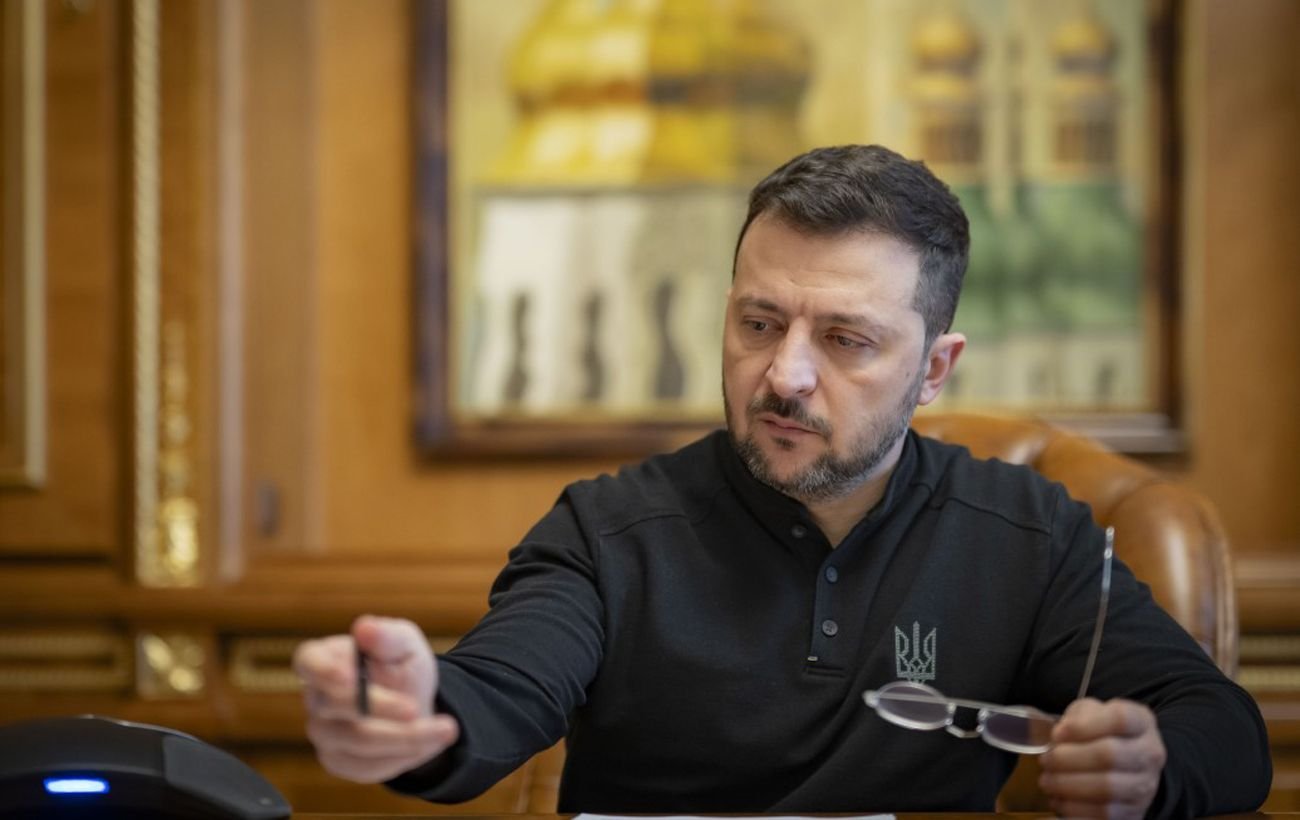
The military draft will remain even after the war: Zelensky signed the law
This law is one of the key requirements of the IMF
President of Ukraine Volodymyr Zelensky signed a law extending the military tax for three years after the end of the war.
This was reported by RBC-Ukraine, citing the website of the Verkhovna Rada.
Read also: Loans in exchange for taxes: why Ukraine risks its program and IMF funds
The law pertains to amendments to the Tax Code of Ukraine, specifically to paragraph 16-1 of subsection 10 of section XX “Transitional Provisions,” which regulate the collection of the military tax.
According to the bill’s card, on April 14, the document was returned to parliament with the president’s signature.
According to the document, a separate special fund will be created in the Budget Code, where funds from the military tax will be directed.
This draft law is one of the key requirements of the International Monetary Fund (the so-called “beacon”).
The military tax will remain for another three years so that the state has funds not only for the army but also for post-war recovery and the restoration of destroyed infrastructure.

Photo: the president signed a law that provides for the extension of the military tax (itd.rada.gov.ua)
The current military tax rates are:
- 5% – for individuals (for military personnel and employees of the security and defense sector – 1.5% on income in the form of monetary support (except for income exempt from military tax);
- 10% of the minimum wage – for individual entrepreneurs of groups 1, 2, and 4;
- 1% of income – for payers of the single tax of group 3 (individual entrepreneurs and legal entities, except for e-residents).
Why this is important
The adoption of bill No. 15110 has become part of the implementation of a package of ten critically important laws, the necessity of which for obtaining international financial support was previously emphasized by President Volodymyr Zelensky.
As Prime Minister Yulia Svyrydenko noted during a meeting with committee chairs, this decision was necessary to meet the conditions of the IMF credit program and the European initiative Ukraine Facility.
As a result, on April 7, the Verkhovna Rada supported the document as a whole with 257 votes, establishing that the military tax will continue to be in effect for three years after the end of the war.
According to the Ministry of Finance’s calculations, this step will allow the state budget to attract about 140 billion hryvnias annually.
What the tax rates will be during this three-year period – read in the material from RBC-Ukraine.


