
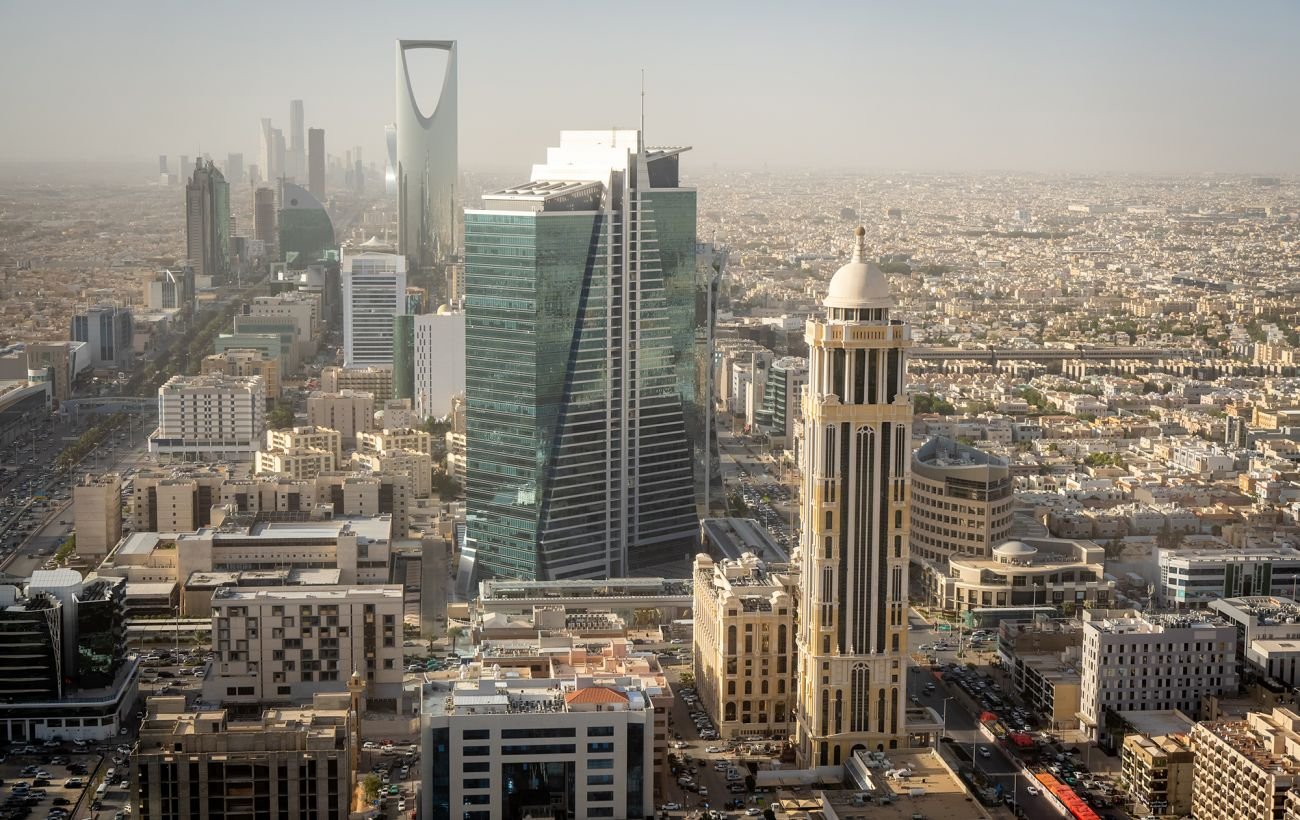
Built in 1981, the oil pipeline to the port of Yanbu has reached maximum capacity following the closure of the Strait of Hormuz.
For the first time in history, Saudi Arabia has brought its strategic East-West oil pipeline to full capacity. This will help partially mitigate the effects of the energy crisis that has arisen due to operations against Iran.
This was reported by RBC-Ukraine, citing Bloomberg and Al Arabiya.
Also read: Closed, but not for everyone. Which countries managed to negotiate with Iran regarding the Strait of Hormuz
According to industry sources, as of March 28, 7 million barrels per day are being pumped through the giant pipe in the desert. This is a historic maximum for the 1200 km long pipeline, built back in 1981 specifically for the event of a closure of Hormuz.
Of this volume, about 5 million barrels are directed for export through terminals at the Yanbu port on the Red Sea, while the rest goes to domestic oil refineries. To achieve these figures, Aramco completed the conversion of adjacent lines for pumping crude oil at the beginning of March.
The Petroline pipeline cannot fully replace the maritime route through the Strait of Hormuz, but it remains a “lifeline” for the global economy. It allows oil to flow from the Persian Gulf fields directly to the Red Sea. Other routes, such as the ADCOP pipeline in the UAE (1.5 million barrels/day), have significantly lower capacity.
.jpg) Photo: Reddit
Photo: Reddit
However, the infrastructure remains vulnerable. In the past, the pipeline has been targeted by drone attacks from Yemeni Houthis. Additionally, access to the Red Sea is now also threatened due to tensions in the Bab-el-Mandeb Strait.
There is also a technical gap: the capacity of the pipeline itself (7 million barrels) exceeds the loading capabilities of the Yanbu port for tankers, creating a certain logistical “bottleneck”.
Recall that on March 18, it became known that Saudi Arabia proposed an alternative route for oil supplies while the Strait of Hormuz is closed. This involves the port of Yanbu on the Red Sea, but there are several nuances.
Strait of Hormuz: Iran’s blockade
In response to the military operation by the US and Israel, Iran has effectively closed the Strait of Hormuz. Up to 20% of global oil supplies pass through it. Disruptions have already led to price increases.
US President Donald Trump called on Europe and other countries to help unblock the strait. However, he received refusals, particularly from France and Germany, after which he labeled the NATO allies’ refusal as “a very stupid mistake.”
Some countries have managed to negotiate with Iran for the passage of tankers through the strait. In particular, Tehran recently agreed to allow 20 vessels flying the Pakistani flag to pass through the Strait of Hormuz.
Prior to this, Thai Prime Minister Agutin Charnvirakul stated that the country had reached an agreement with Iran for the safe passage of Thai oil tankers through the Strait of Hormuz.


