
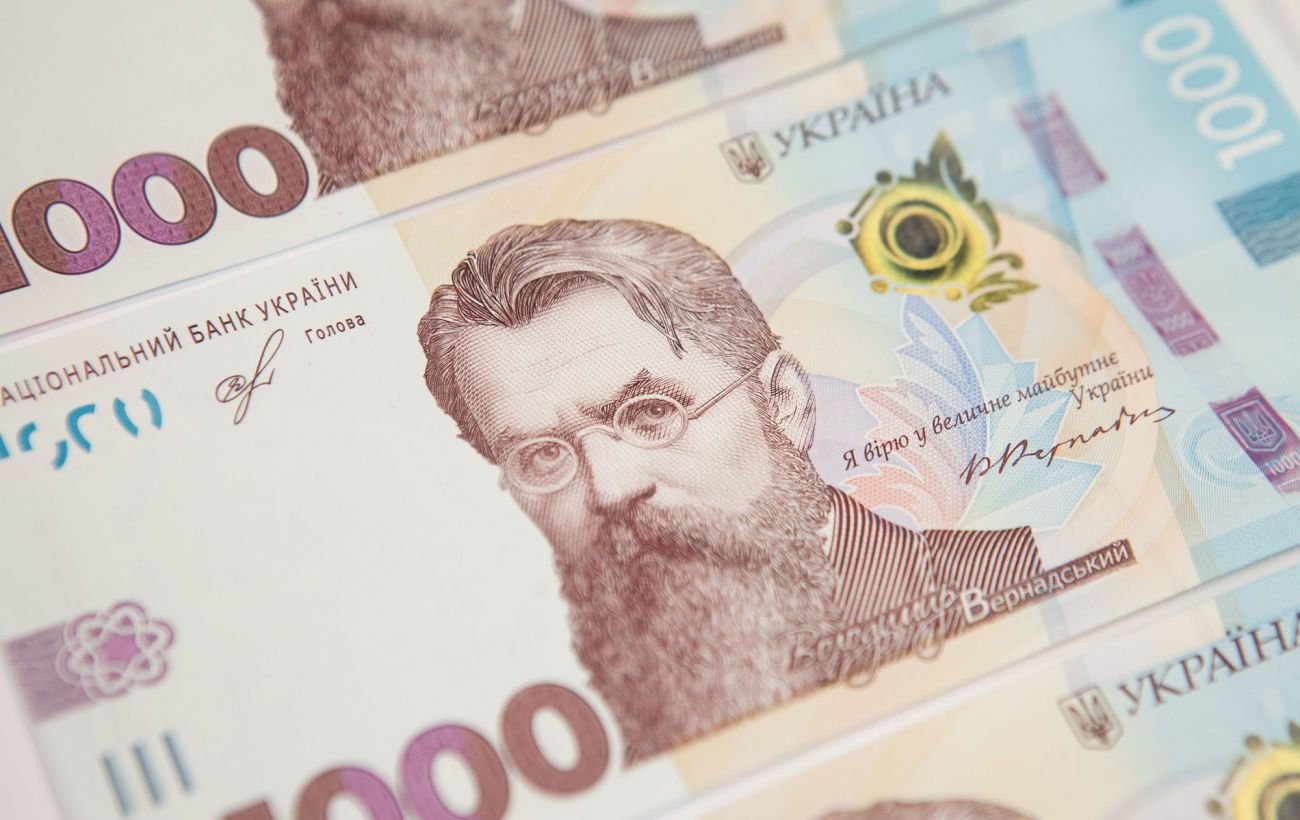
The Rada extended the military mobilization for 3 years after the war. Source: rbc.ua
The Verkhovna Rada supported bill No. 15110 to extend the military tax for three years after the war ends. A total of 257 members of parliament voted for it in principle and in full.
This was reported by RBC-Ukraine, citing a broadcast of the parliamentary session.
Read also: Loans in exchange for taxes: why Ukraine risks its program and IMF funds
According to the adopted document, a separate special fund will be created in the Budget Code, where funds from the military tax will be directed.
This bill is one of the key requirements of the IMF (the so-called “beacon”). Its adoption was a necessary condition for Ukraine to continue receiving financial assistance from the International Monetary Fund.
The explanatory note to bill No. 15110 explicitly states that the military tax will not be canceled immediately after the war. It will remain for another three years so that the state has funds not only for the army but also for post-war recovery and the restoration of destroyed infrastructure.
According to Finance Minister Serhiy Marchenko, who presented the bill in the Rada, three years after the war ends, the changes will allow the Ukrainian state budget to attract more than 140 billion hryvnias.
What will the tax rates be during these three years:
- Ordinary citizens (individuals): will pay 5% of their income.
- Individual entrepreneurs (FOPs) of groups 1, 2, and 4: will pay a fixed amount – 10% of the minimum wage per month (in 2026, this will be about 865 UAH).
- FOPs and companies in group 3: will pay 1% of their income.
The day before, the relevant committee of the Verkhovna Rada recommended that members of parliament support the document in full.
Prior to this, Prime Minister Yulia Svyrydenko held a meeting with the heads of parliamentary committees. She reported that the Rada would consider a number of bills necessary to meet the requirements of two programs: the IMF loan program and the European Ukraine Facility.
Earlier, President Volodymyr Zelensky noted that to receive financial support, the parliament must adopt ten critically important laws in full.
Analysts estimate that without IMF support, which directly depends on the adoption of these tax initiatives, budget funds will last only until May. In an optimistic scenario – if MPs start voting for the laws under the Ukraine Facility program – funding could be stretched until mid-summer.
Tax changes in Ukraine within the framework of cooperation with the IMF
Recall that the International Monetary Fund approved a new Extended Fund Facility (EFF) program for Ukraine amounting to $8.1 billion, scheduled for 2026-2029.
Prime Minister Yulia Svyrydenko called it “anchor” for all international financial support for the country. The program includes the implementation of structural reforms necessary for post-war recovery and advancing Eurointegration.
The technical parameters of the 48-month program were agreed upon by Ukraine and the IMF following negotiations in November. It includes 16 structural benchmarks for the government and parliament, as well as four prior actions, without which the launch would have been impossible.
After the latest negotiations, these conditions were lifted; however, the measures they entailed remained key benchmarks of the program.
In December 2025, the Ministry of Finance presented a draft law on mandatory VAT payment for individual entrepreneurs with an annual income of over 1 million UAH, which faced criticism from businesses and economists.
The government failed to timely meet key structural benchmarks planned for the first quarter of 2026 under the new IMF program. The main reason was that members of parliament refused to support the relevant decisions during voting.
The Cabinet began seeking a compromise, particularly considering raising the threshold to 4 million UAH. At the same time, the government had to prepare a new large tax bill after the previous parliament did not support it: instead of one document, they decided to develop three separate ones, including No. 15110, while the VAT bill for FOPs is not yet planned to be submitted to the Rada.
Read also: Taxes and tariffs will rise: details of the agreement with the IMF and how it will affect Ukrainians
Source: rbc.ua +rel=”nofollow”


