
Europe has sharply increased gas imports from Russia: unexpected figures revealed by FT. [rbc.ua](https://rbc.ua)
Why did the EU increase gas imports from Russia in 2026?
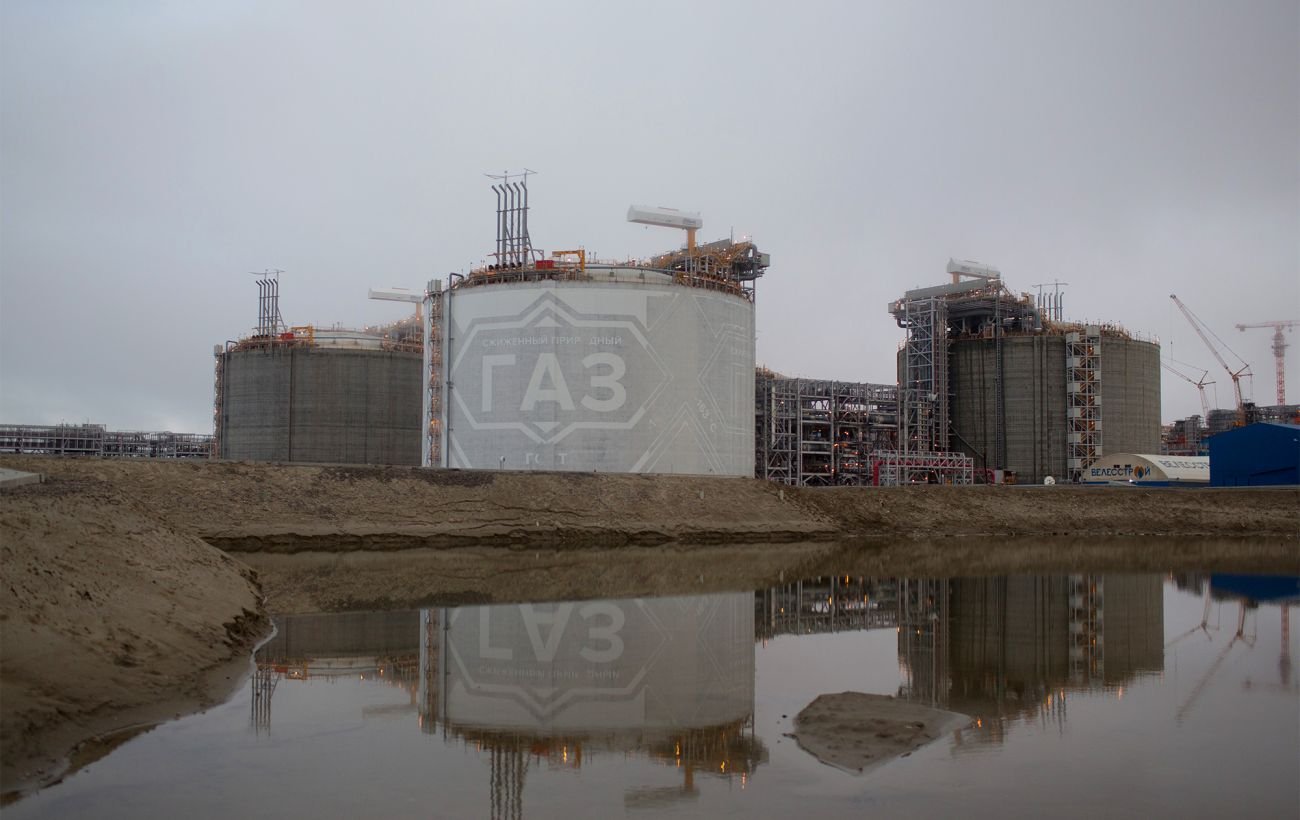
European Union countries have increased imports of Russian liquefied natural gas from the Arctic project “Yamal LNG.” This occurred against the backdrop of declining global supplies due to the energy crisis in the Middle East.
This is reported by RBC-Ukraine, citing the Financial Times.
Read also: Russia doubled its oil revenues in a month: how much money the budget received from the price surge
Dynamics of supplies and EU expenses
According to FT, citing the research group Kpler, imports from the Siberian project “Yamal LNG” increased by 17% in the first quarter compared to the same period last year, reaching 5 million tons. In March alone, the countries of the bloc received 1.8 million tons of fuel.
According to estimates by the organization Urgewald, the total expenses of EU member states for purchasing gas from this plant in the first three months of the year amounted to approximately 2.88 billion euros.
The increase in expenses is attributed to a spike in average European gas prices in March to 52.87 euros per MWh.
Reasons for the increase in imports
The main factor that prompted Europe to turn to Russian resources was instability in the Middle East.
Due to damage to infrastructure and Iran’s control over the Strait of Hormuz, supplies of Qatari LNG have significantly decreased.
Additionally, internal restrictions within the EU have influenced the situation:
- Ban on transshipment – due to sanctions against Russia, it has become more difficult to redirect cargoes to Asia, making the European market effectively the only available destination.
- Logistical advantages – 97% of all cargoes from “Yamal” in the first three months of the year were directed specifically to EU ports.
“All the figures show Russia’s dependence on the European market,” notes Urgewald activist Sebastian Retters.
He added that European buyers currently do not express a desire to completely abandon Russian LNG until official bans are imposed.
Brussels’ position
Despite the increase in figures, the European Commission plans to stick to its course for a complete embargo. A full ban on imports of Russian LNG is set to take effect in January 2027.
EU Energy Commissioner Dan Jørgensen noted that returning to energy dependence on Russia would be a critical mistake, reminding of the experience from 2022.
Currently, more than two-thirds of all LNG in the bloc is supplied from the USA, which is a historical maximum.
Russia’s energy revenues
It is worth noting that due to the energy crisis caused by the conflict in the Middle East, Russia expects a sharp increase in oil revenues. It is projected that in April, revenues from the relevant tax could double and reach around 9 billion dollars.
This situation has been made possible, in part, due to a temporary easing of sanctions from the United States. The U.S. Treasury allowed the export of already loaded Russian oil and petroleum products, which enabled Moscow to maintain stability in supplies to the global market.
At the same time, Ukrainian President Volodymyr Zelensky harshly criticized such relaxations. According to him, such decisions could bring the Kremlin up to 10 billion dollars in additional profits, which will be used to finance the war and produce weapons.
For more details, visit rbc.ua.


