
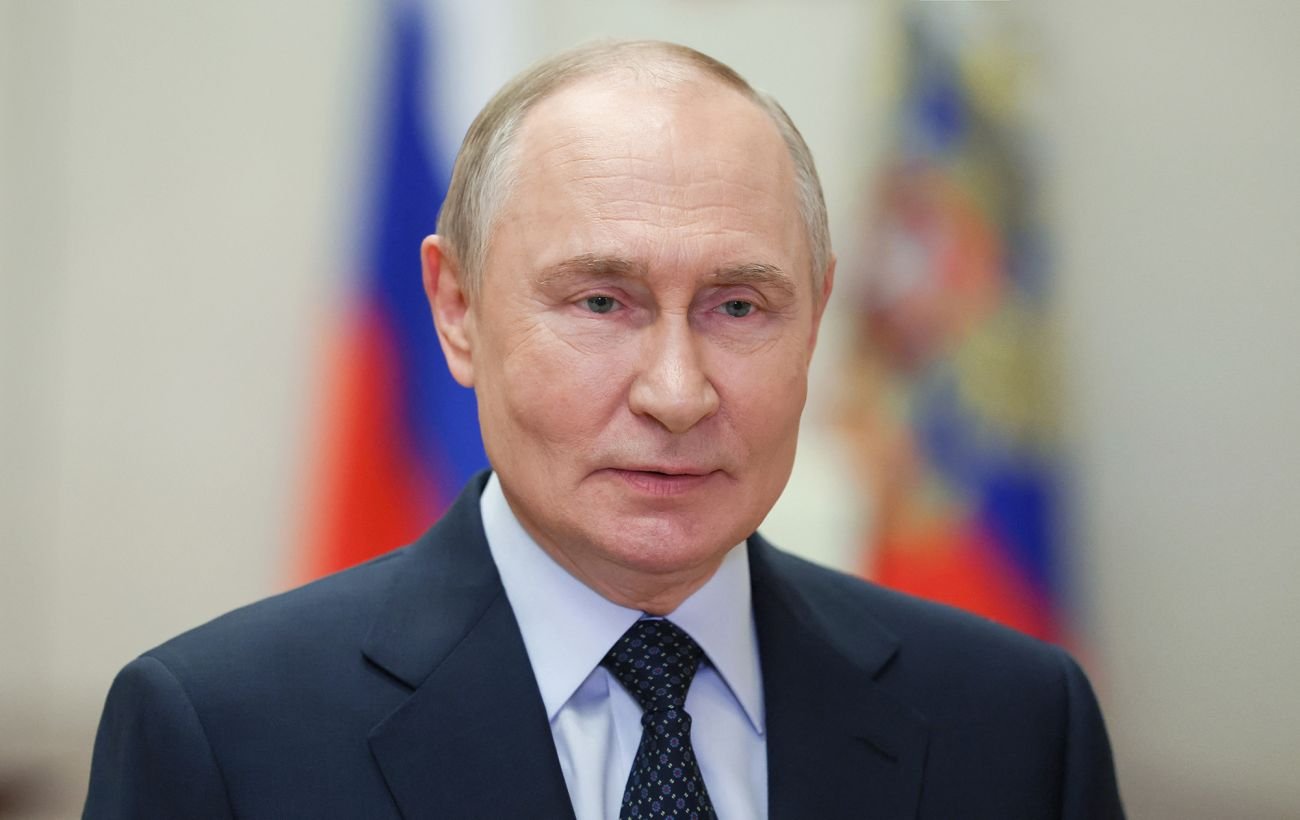
Putin has found another source of budget replenishment for financing the war against Ukraine
Russian dictator Vladimir Putin held a closed meeting with Russian oligarchs on March 26, where he demanded that they “chip in” money for the war. At least two agreed.
This was reported by RBC-Ukraine, citing The Bell.
Also read: The European Commission will postpone the introduction of a permanent ban on the import of Russian oil
The dictator discussed plans for continuing the war in Ukraine with the oligarchs. Sources told the publication that Putin made it clear that the Kremlin does not plan to cease hostilities against Ukraine.
“They said, we will fight… We will go to the borders of Donbas,” several sources familiar with the discussions told the publication.
During the meeting, Putin also demanded that the oligarchs provide money for the war against Ukraine. The idea of “shaking down businesses in difficult times” reportedly belongs to Igor Sechin, head of Rosneft. According to Sechin’s idea, funds are to be raised through the issuance of military federal loan bonds (OFZ).
Putin not only supported this initiative but also personally “suggested” that the oligarchs make “voluntary contributions.” At least two of them agreed to the dictator’s “offer.”
For instance, Suleiman Kerimov allegedly promised to contribute 100 billion rubles to the budget. Another unnamed oligarch also promised a large sum of money, but the sources did not specify the exact figures.
A sudden gift for the Kremlin
It is worth noting that in March, following the start of operations against Iran, the United States decided to lift some sanctions against Russia related to oil, justifying it by the need to stabilize global energy prices. Moreover, U.S. President Donald Trump suggested that “oil sanctions” against Russia would be lifted on a permanent basis.
Such actions became a real gift for the Kremlin. Prior to this, the Ukrainian Foreign Intelligence Service reported that the Russian economy had entered a phase of its deepest crisis in the last 20 years, which is compared to the scenario of late USSR. Additionally, the Russian budget for 2026 was under severe strain, as the first months ended with a huge deficit.
On March 25, it became known that Russian Urals oil was trading in India for the first time since the beginning of the full-scale invasion of Ukraine at a premium to the benchmark Brent. Furthermore, Bloomberg reported that Russia’s oil revenue had returned to the levels of March 2022.


