
NATO Bets on Full Support for American Campaign in the Middle East
NATO expects complete unity from European allies regarding the U.S. military campaign against Iran and support for efforts to prevent a nuclear threat.
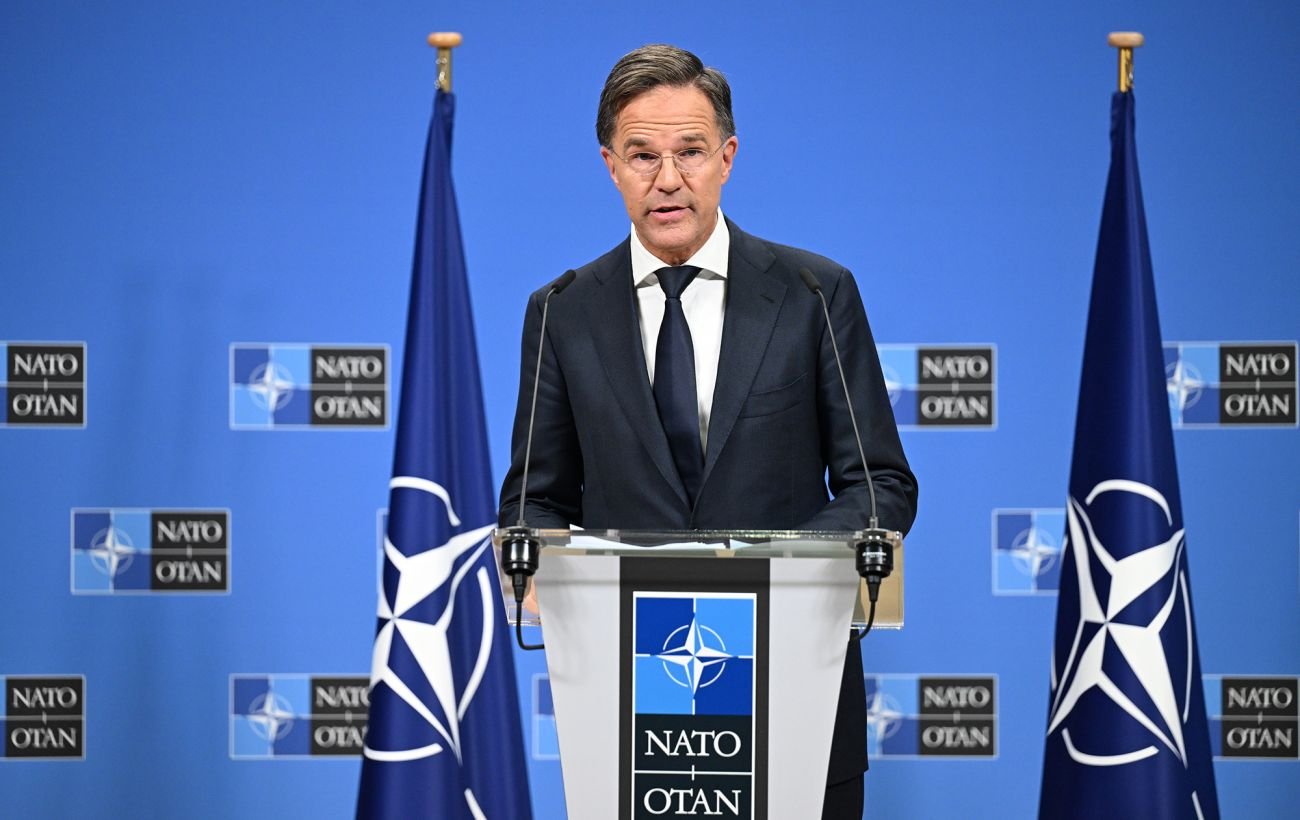
This was stated by NATO Secretary General Mark Rutte, as reported by RBC-Ukraine citing Politico.
Read also: “Paper Tiger”: Trump Harshly Criticized NATO and Accused Allies of Cowardice
NATO’s Position on Iran
According to the publication, in an interview with the Face the Nation program on CBS, Rutte emphasized the importance of consolidation around President Donald Trump’s actions, despite initial hesitation from some European countries.
He noted that a nuclear-armed Iran would pose a direct threat not only to Israel but also to Europe and global stability.
“I know one thing, we always unite,” the head of the Alliance stressed.
According to him, the delay from European partners is explained by the fact that they were not involved in the initial planning to maintain the element of surprise in the attacks by the U.S. and Israel.
Trump’s Criticism
Earlier, Donald Trump criticized allies on the social network Truth Social, calling NATO a “paper tiger” for its reluctance to participate in ensuring the security of the Strait of Hormuz.
Rutte, for his part, called for understanding the U.S. president’s position.
“He is doing this to make the whole world safe,” the Secretary General commented on Trump’s actions.
Comparison with North Korea
NATO drew a parallel between the current situation and the experience of deterring North Korea.
It was noted that prolonged negotiations could lead to a loss of the moment when it is still possible to stop the emergence of nuclear potential in the hostile party.
Allies Denied Trump Assistance
Recall that the situation around the Strait of Hormuz escalated after Iranian forces effectively blocked this strategic route by carrying out a series of attacks on civilian vessels and energy infrastructure. This provoked a harsh reaction from world leaders, who issued ultimatum demands to Tehran.
At the same time, U.S. President Donald Trump demanded that allies provide a military fleet for the forceful unblocking of the strait, but the United Kingdom and Germany officially refused such assistance.
Despite the lack of direct military support from key partners, Washington claims that the number of vessels passing through the strait is gradually increasing.
At the same time, France and Italy have begun private negotiations with Iran. The aim of these secret consultations is to obtain guarantees for the safe passage of tankers and to restore stable energy supplies to Europe without direct military confrontation.
