
How the Cabinet Plans to Mitigate the Impact of Price Surge
The government does not plan to introduce strict price controls on fuel and food amid their rise. The main task now is to saturate the market with resources and prevent shortages.
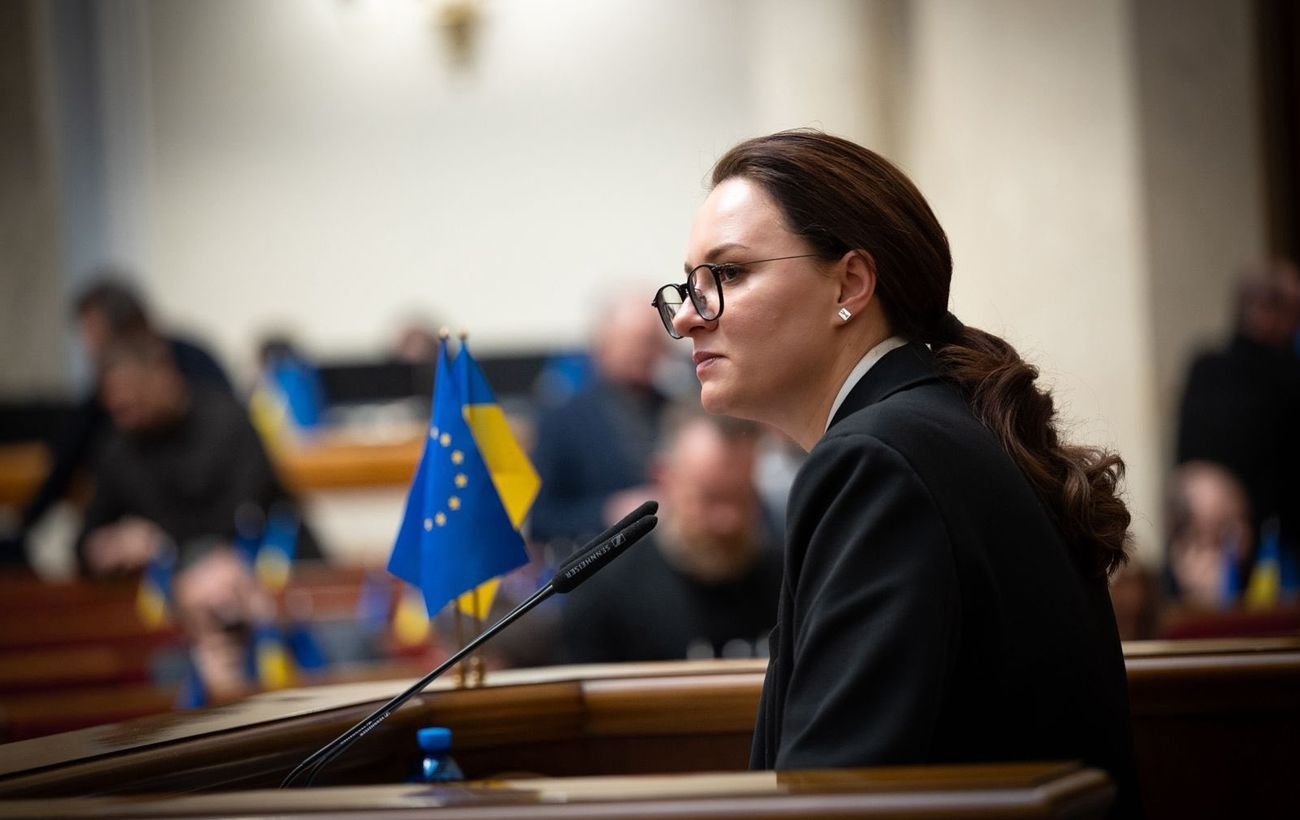
This was stated by the Prime Minister of Ukraine, Yulia Svyrydenko, as reported by RBC-Ukraine, citing her speech in the Verkhovna Rada.
Read also: Price shock at gas stations: the Cabinet explained why the “fuel cashback” became the only solution
According to the Prime Minister, the surge in prices for fuel and food “reflects global trends caused by the war in Iran, and Ukraine is experiencing the effects of these processes.”
The government is currently providing support to the most vulnerable categories of the population: pensioners, internally displaced persons, and low-income individuals. In April, they will receive a one-time payment of 1,500 hryvnias.
Regarding whether the government will implement strict price controls on fuel, Svyrydenko emphasized that the priority is to ensure sufficient market supply to prevent shortages.
“Right now, the main goal is to saturate the market with a sufficient quantity of products and safeguard the state from fuel shortages. In fact, we are working closely with market operators on this. We need to create all conditions for having an adequate supply of products,” the official explained.
She highlighted that the priority is the army, medical personnel, utilities, and other services.
The government is also continuing the “cashback” program, which partially compensates the population’s expenses on fuel and essential goods.
Price Increases in Ukraine
After a rapid rise in fuel prices due to the war in Iran, Ukrainians have already felt the increase in food prices in stores; however, the reasons for these fluctuations vary for each product.
In March, Ukraine saw a gradual rise in buckwheat prices due to reduced harvests and sown areas.
It is forecasted that the cost of this popular grain will continue to rise until August 2026, but no shortages are expected.
Recently, alarming predictions about a fuel shortage in April have also emerged in the media. RBC-Ukraine asked fuel expert Volodymyr Omelchenko whether such a threat truly exists.
Additionally, the National Bank assessed the risks of the war in Iran for the wallets of Ukrainians.


