
When will the much-needed funds for Ukraine arrive and what is the reason for the delay?
The European Commission has postponed the first tranche of a €90 billion loan for Ukraine.
As reported by RBC-Ukraine, this was stated by European Commission representative Paola Pinu during a briefing in response to journalists’ questions.
Also read: “Oxygen for the army”: Zelensky said what will happen with the €90 billion loan from the EU
When will the money arrive
Pinu assured that the EU is not backing out of the payment – but the timelines have shifted.
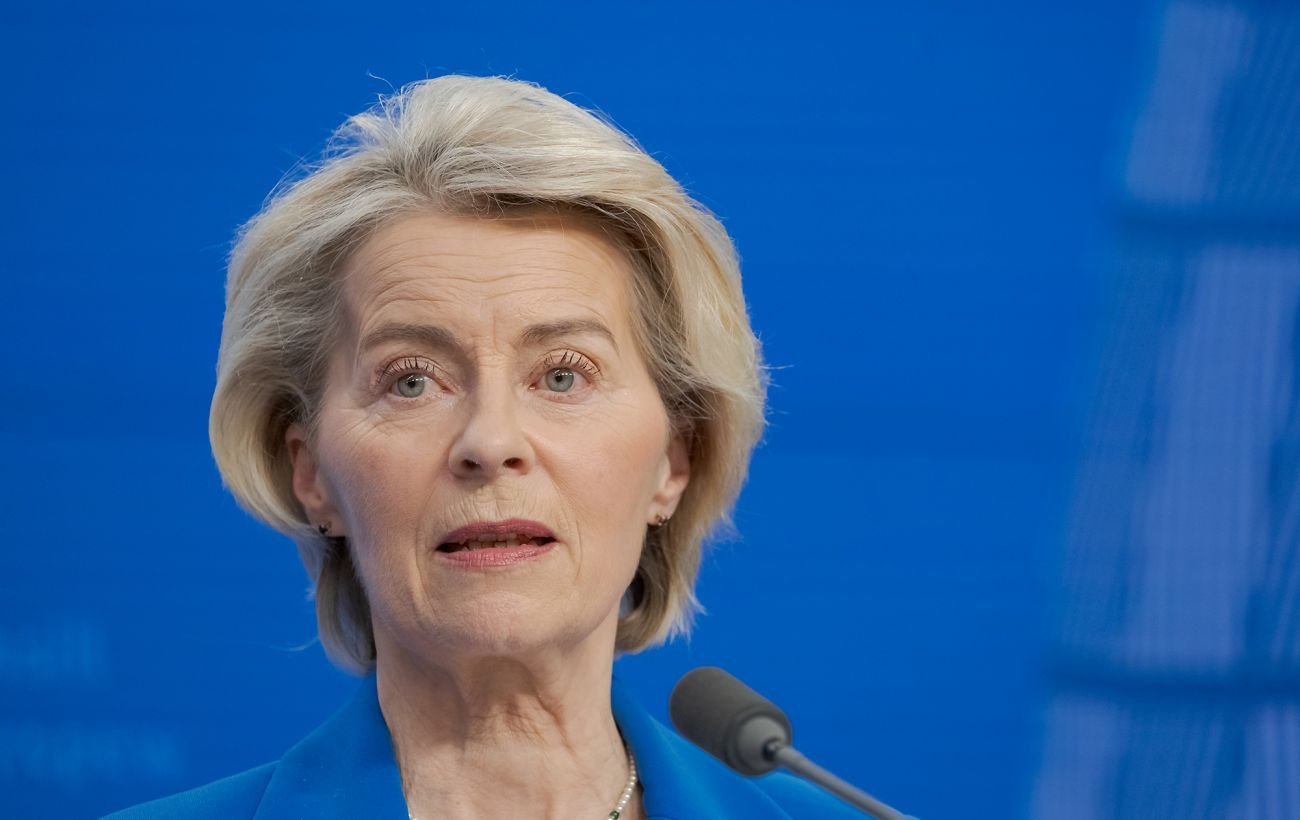
“We remain committed to the intention to make the first payment under this package during the second half of this year, and if I may remind you of the president’s words, she said that we will provide this loan one way or another,” the European Commission representative stated.
What has already been done
According to her, part of the preparatory work has already been completed:
- A loan to support Ukraine has been created;
- In February, changes were made to the Ukraine Facility program;
- A financing strategy has been adopted – it defines the amounts, goals, and channels for transferring funds.
What still needs to be signed
Despite the progress, the EU still needs to prepare three documents:
- A memorandum of understanding – which will serve as the basis for the macro-financial assistance channel;
- An updated Ukraine Plan – the basis for the Ukraine Facility program, through which budget support will be provided;
- A loan agreement with Ukraine.
Pinu noted that work on all three documents is ongoing, and contacts with Ukrainian colleagues are being maintained constantly.
It is important to remember that the victory of the leader of the “Tisa” party, Peter Madjar, in the Hungarian elections does not automatically mean the unblocking of the loan.
He stated that he is ready to discuss the issue with European leaders; however, the decision was effectively made back in December by the European Council – at that time, Hungary, Slovakia, and the Czech Republic were granted the right not to join the program.
As RBC-Ukraine reported, even if Budapest lifts its objections, the next in line is Bratislava – Slovakia and its Prime Minister Robert Fico have not changed their position.
Additionally, there is the usual bureaucratic red tape: the formation of a new Hungarian government will take time in itself.


