
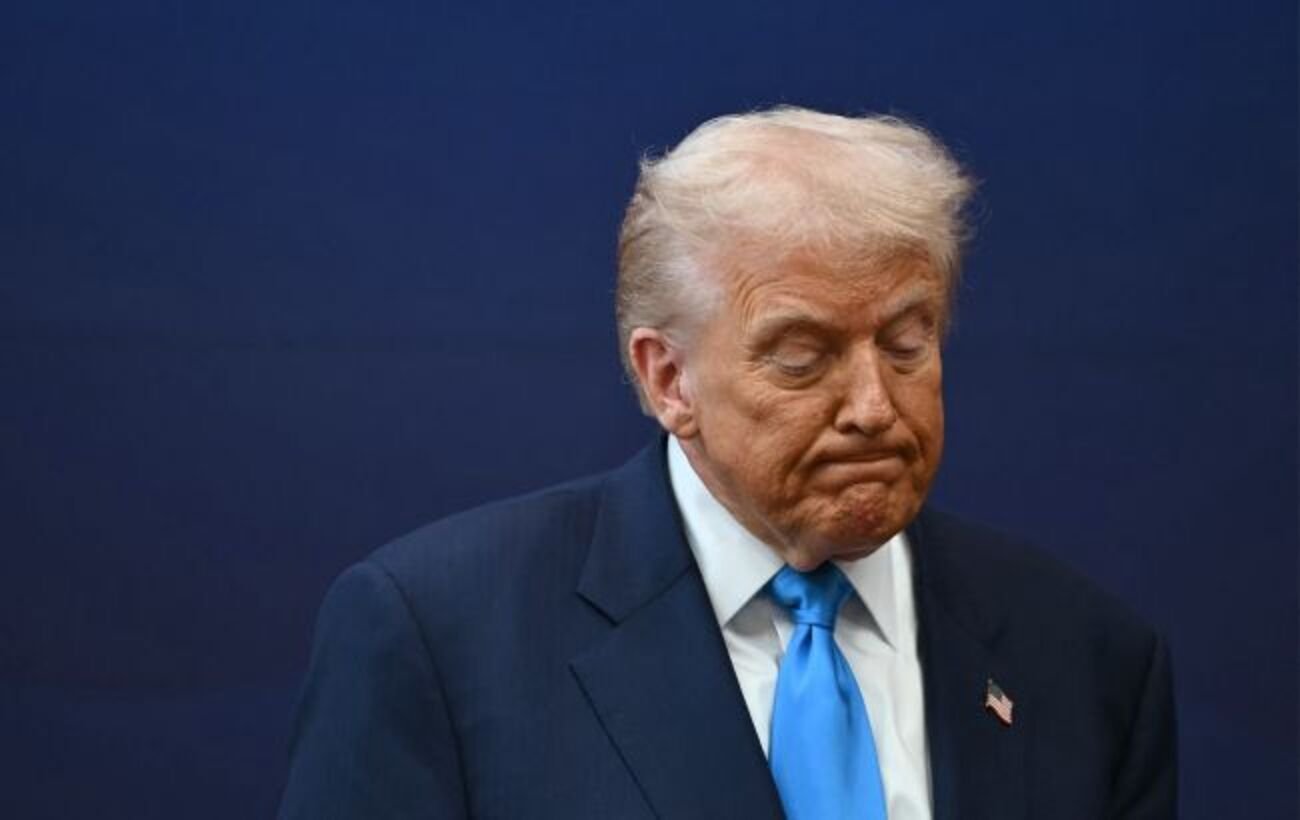
U.S. allies are developing a “Plan B” for the Strait of Hormuz in case Trump leaves office.
American partners fear that Donald Trump will conclude his operation in Iran and will not address the reopening of the waterway.
More than 40 U.S. allies met to discuss plans for reopening the Strait of Hormuz in case U.S. leader Donald Trump decides not to pursue this.
This was reported by RBC-Ukraine, citing Bloomberg.
Read also: Iran has allowed another country to pass through the Strait of Hormuz
Britain convened countries from Europe, the Middle East, and Asia, as well as Australia and Canada, to consider diplomatic appeals to Tehran and possible sanctions if Trump does not agree to unblock this critically important shipping route for global energy supplies.
The virtual meeting seemed aimed at demonstrating a unified stance among dozens of American allies: the U.S. president should not disengage from the conflict without finding a solution for the strait, as he has repeatedly threatened to do.
“Participants are concerned that Trump will conclude his operation in Iran without a plan to reopen the waterway, leaving them to deal with the consequences,” the publication writes.
The international community has made it clear: the U.S. must include a solution for the Strait of Hormuz in ceasefire negotiations with Iran, sources familiar with the discussions reported.
“Nevertheless, the virtual meeting showed that the coalition of countries believes it is necessary to begin preparations for reopening the strait without U.S. involvement,” Bloomberg added.
According to sources, Trump sharply criticized NATO countries for creating an unfavorable precedent, and free passage through the strait received broad support.
U.S. allies also discussed economic measures, including sanctions, to ensure that Iran cannot continue to profit from the closure.
Blocking the Strait of Hormuz
At the beginning of the war in the Middle East, Iran blocked the Strait of Hormuz. This is a crucial waterway through which about 20% of the world’s oil supplies pass, among other things.
After tankers from many countries, particularly from the Persian Gulf, were unable to reach their destinations to unload oil, the world found itself on the brink of an energy crisis.
Gas prices skyrocketed due to oil in the U.S., which caused panic in the Trump administration, something that was quite inconvenient for him ahead of the elections.
For several weeks, Trump attempted to unblock the Strait of Hormuz and called on NATO allies to assist him by sending their ships there. However, the U.S. president was denied, which outraged him.
Recently, Trump began to say that he would abandon attempts to unblock the strait, prompting his allies to take the initiative into their own hands.


