
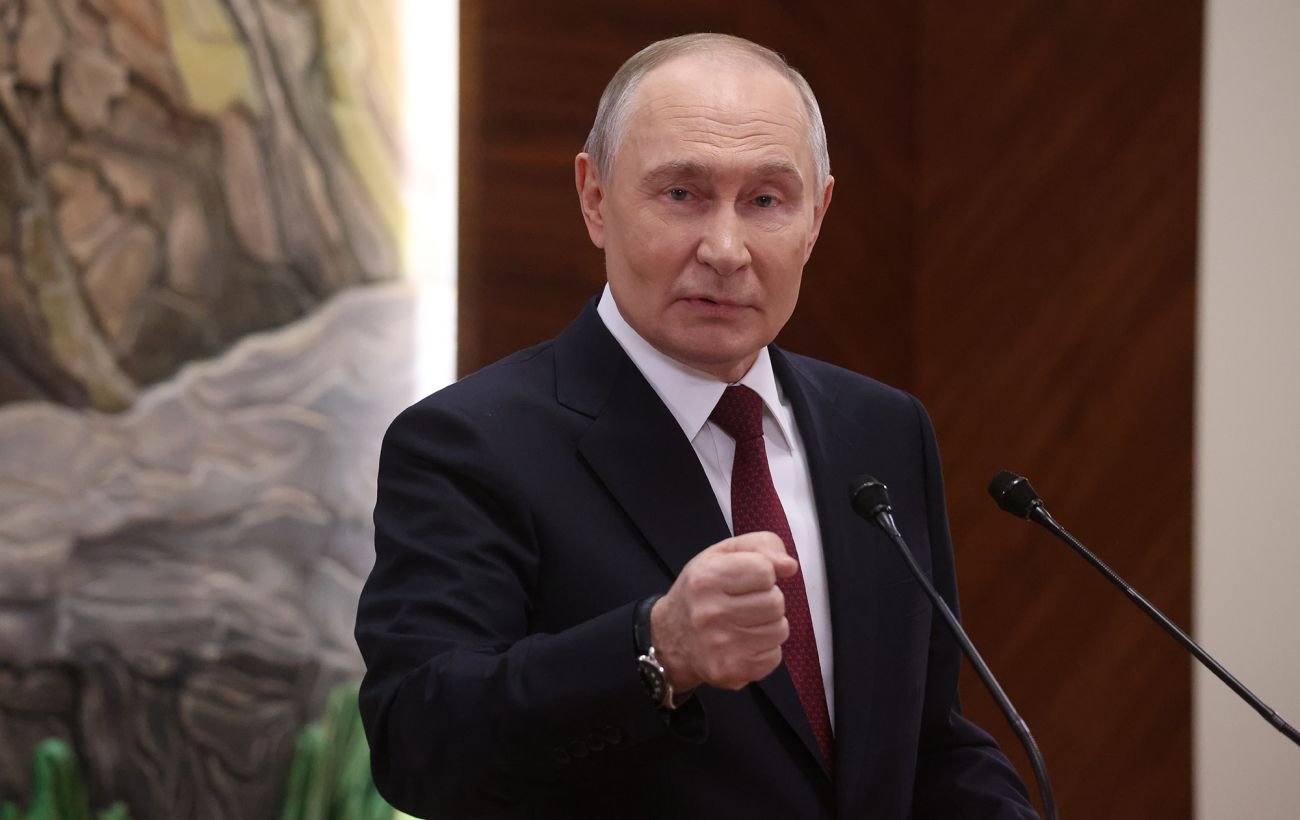
Even Kremlin-controlled polls show a negative trend
Trust in Russian dictator Vladimir Putin among Russians has fallen to its lowest level since the start of the full-scale invasion of Ukraine. Interestingly, this is demonstrated even by “official” polls.
This is reported by RBC-Ukraine, citing Bloomberg.
Three factors have begun to significantly influence public sentiment in the Russian Federation. These are war fatigue, economic slowdown, and increased tax pressure. The results of a survey conducted by the state center VTsIOM from March 19 to 22 showed that Putin’s ratings are demonstrating a negative trend:
- Level of trust in Putin: decreased from 76.7% to 75%.
- Level of approval of Putin’s activities: fell by 1.9% to 70.1%.
It is noted that lower figures were only recorded in February 2022. At the same time, Putin’s anti-rating is growing: 20.1% of Russians stated that they do not trust him, while 18.3% said they do not approve of the dictator’s work.
Considering that in Russia people are afraid to express their real opinions, and the “poll” was conducted by a structure controlled by the Russian regime, these are record negative figures for the entire duration of the conflict. Analysts believe that the numbers may be adjusted and cite several factors for such a radical change in sentiment:
- Economic pressure: The increase in VAT since the beginning of the year and high interest rates to curb inflation have hit household incomes in Russia.
- War fatigue: A survey by the independent Levada Center previously showed that 67% of Russians support a shift to peace negotiations.
- Everyday factors: Widespread internet outages and a general sense of stagnation are intensifying dissatisfaction among Russians with the actions of the authorities.
“Public fatigue is the reason for the stagnation of ratings. In practice, people are simply surviving,” summarized Andrey Kolesnikov, a Moscow political analyst.
Separately, it should be noted that on March 26, Putin held a closed meeting with Russian oligarchs, where he demanded they “chip in” financially for the war. At least two agreed.
Even before this, the Ukrainian Foreign Intelligence Service reported that the Russian economy has entered a phase of the deepest crisis in the last 20 years, which is compared to the scenario of late USSR. The Russian budget for 2026 is under severe strain, as the first months were completed with a huge deficit.


