
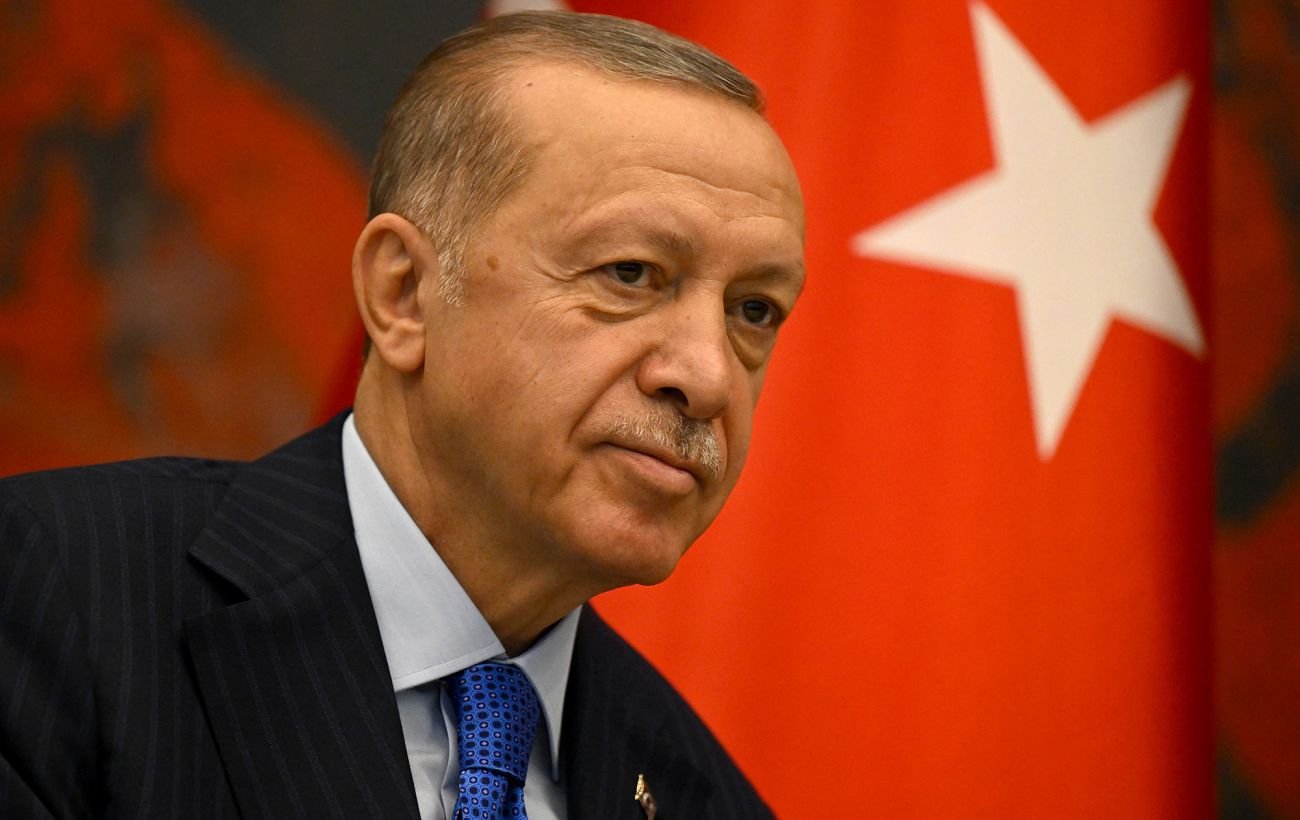
Erdogan is actively trying to deter Arab countries from going to war with Iran, – Bloomberg
Turkey is actively negotiating with Saudi Arabia and the UAE to prevent a large-scale escalation
Turkey is trying to dissuade Gulf countries from participating in the war against Iran to avoid devastating strikes on the region’s energy infrastructure. Ankara fears that the conflict could turn into a protracted war of attrition.
This was stated by Turkish President Recep Tayyip Erdoğan, as reported by RBC-Ukraine, citing Bloomberg.
Also read: Iran criticized the 15-point U.S. peace plan and put forward its own demands, – media
Ankara’s Diplomatic Offensive
According to sources familiar with the matter, the Turkish side is urging Gulf countries to exercise maximum restraint.
Turkish Foreign Minister Hakan Fidan has already visited Saudi Arabia, the UAE, and Qatar, and has held a series of phone calls with regional counterparts.
The main goal of these efforts is to prevent the expansion of the geography of hostilities. President Erdoğan noted the danger of retaliatory strikes that could affect the stability of the entire region.
“We do not want the war to turn into a war of attrition between the countries of the region. Retaliatory actions, especially against Gulf countries, carry such a risk,” Erdoğan stated following a government meeting.
The Position of Gulf Countries
Despite calls for peace, the largest states in the region, particularly Saudi Arabia and the UAE, are expressing less patience due to ongoing Iranian attacks on ports, energy facilities, and airports.
At the same time, Arab countries are considering entering the war only in the event of a critical threat. This concerns the fulfillment of Tehran’s threats to attack vital energy and water infrastructure in the Gulf.
Escalation Around Iran
It is worth noting that earlier, Iran officially criticized the U.S. peace plan consisting of 15 points, calling its demands “excessive.” Tehran put forward its own conditions for a ceasefire, demanding an immediate halt to attacks and future security guarantees.
Additionally, Iranian authorities have introduced new rules for passage through the Strait of Hormuz. From now on, the transit of vessels through this strategic trade route is only possible with direct coordination with Tehran.
It has also become known that Iran has refused negotiations with U.S. Special Representative Steve Witkoff. According to media reports, the Iranian side prefers direct contacts with Vice President J.D. Vance instead of the current negotiators from the Trump administration.


