
If the war drags on, the consequences for the global economy will be even more pronounced
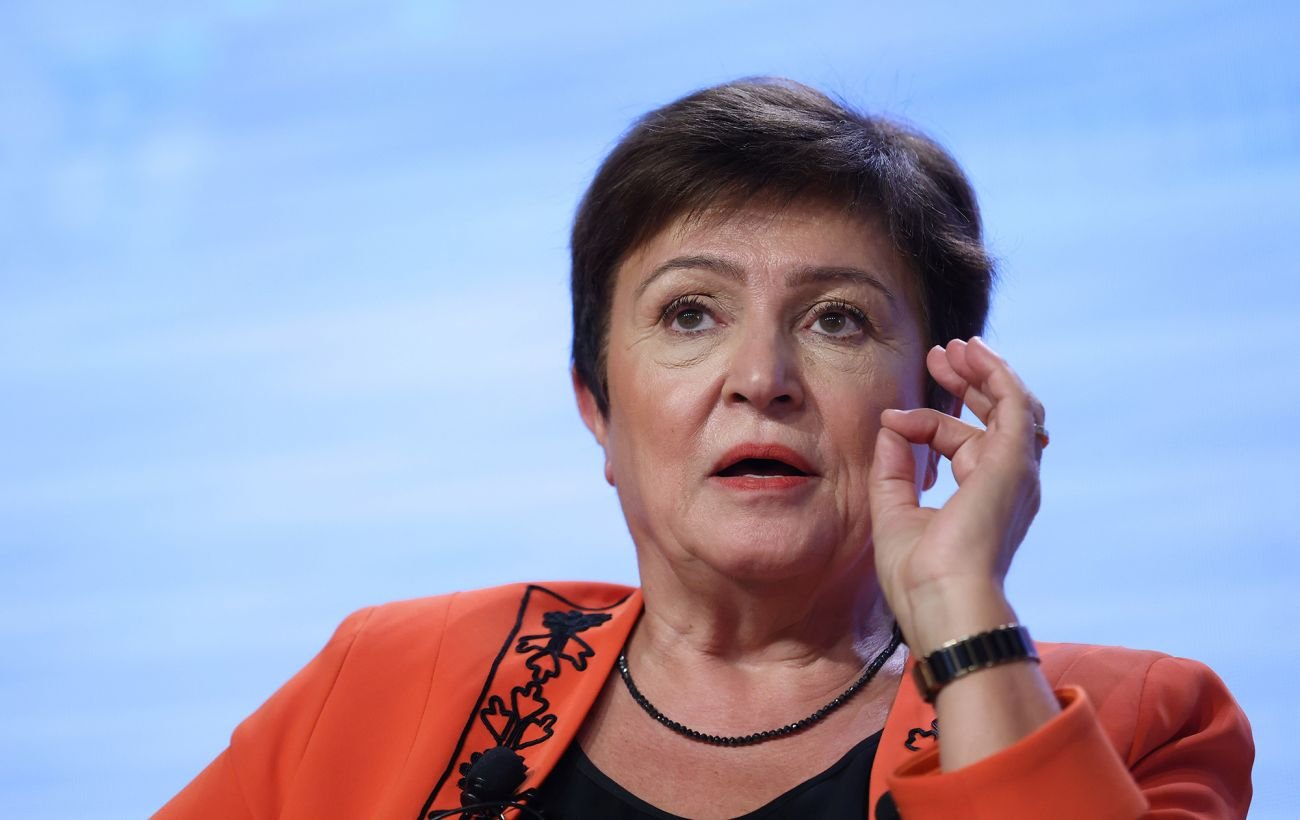
The head of the International Monetary Fund, Kristalina Georgieva, stated that the war in the Middle East will lead to rising inflation and a slowdown in global economic growth.
This was reported by RBC-Ukraine, citing Reuters.
Read also: The plan failed: Trump wanted to arm the Iranians to provoke a new uprising
Georgieva made her assessment ahead of the release of a new forecast for the global economy, which the fund plans to present next week.
According to Georgieva, without the war, the IMF could have slightly improved its forecasts for global growth – to 3.3% in 2026 and 3.2% in 2027. However, now, as the head of the fund noted, the situation is developing in the opposite direction.
“If it weren’t for this war, we would have seen a slight increase in our growth forecasts. Instead, all paths now lead to rising prices and a slowdown in growth,” she explained.
The IMF noted that even in the case of a quick cessation of hostilities and a sufficiently prompt recovery, the consequences for the global economy would still be negative. This includes a moderate reduction in the growth forecast and an increase in the inflation forecast.
At the same time, Georgieva warned that if the war drags on, the negative effect will be stronger. According to her, this would mean even more pronounced pressure on prices and a deeper slowdown in the global economy.
In addition, the head of the IMF reported that the fund has already received requests for financial assistance from some countries, but did not specify which states are involved. She added that the IMF could expand certain existing credit programs to meet the needs of these countries.
Recall that the situation around the Strait of Hormuz is significant not only for the Middle East but for the entire global economy, as a substantial portion of global oil supplies passes through it. Therefore, the failure of attempts to negotiate its unblocking only heightens the risks of a new spike in prices and further slowdown in growth worldwide.
On April 5, U.S. President Donald Trump publicly demanded that Iran open the strait by the evening of April 7, threatening to destroy all of the country’s power plants in case of refusal. Tehran responded the same day, stating that it would only take such a step after receiving compensation for the damage caused by the war.
Source: rbc.ua +rel=”nofollow”


