
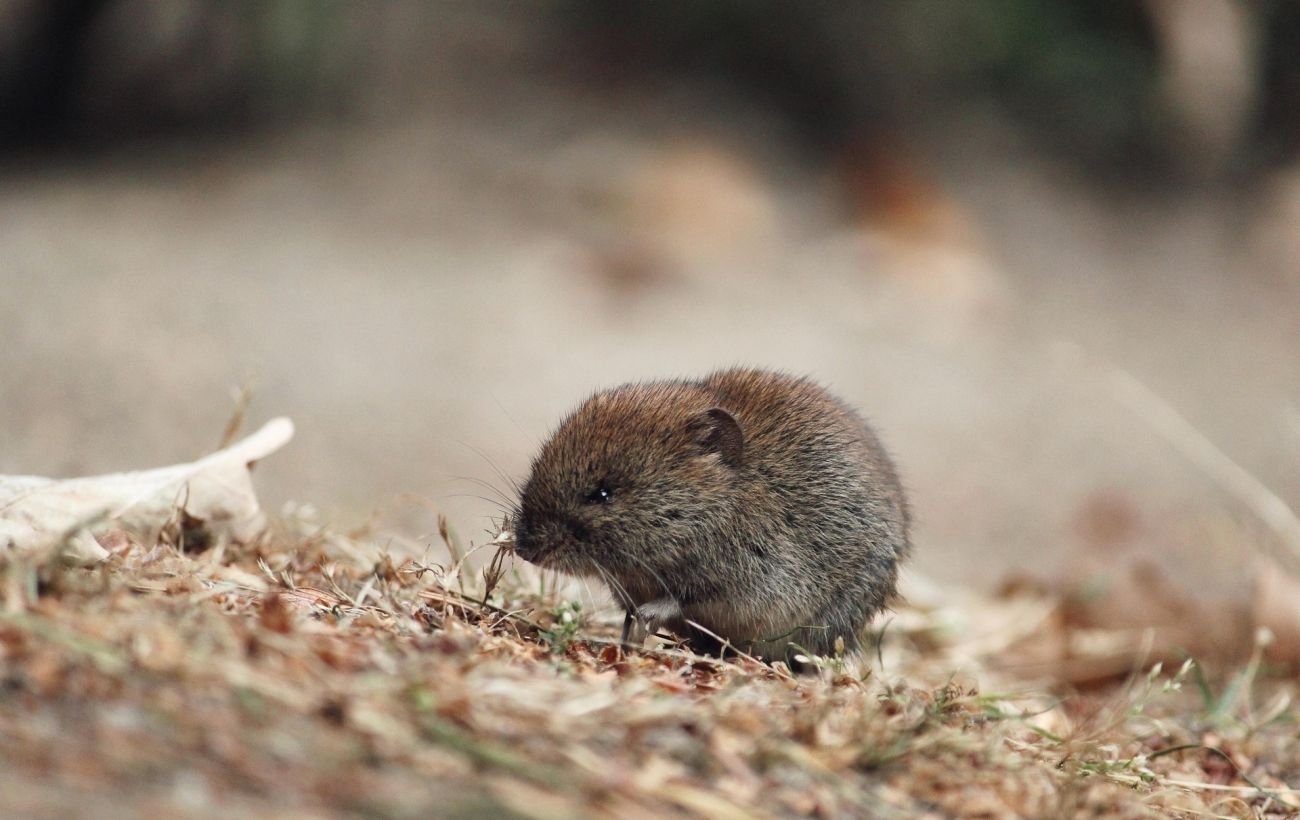
Large animals and birds have left the combat zone due to danger
Due to the full-scale war in Ukraine, some animals and birds have fled the combat zone. Along the front line, primarily rodents and small species that can hide underground are surviving.
This was stated in an interview with RBC-Ukraine by zoologist, participant in Antarctic expeditions, and project manager for “Rare Species” at the World Wildlife Fund WWF-Ukraine Igor Diky.
Read also: Not afraid of humans: why foxes are increasingly appearing in Ukrainian cities
Main points:
- Only small animals (rodents, foxes) that can hide in burrows are surviving along the front line.
- Large animals and birds (eagles, storks, wild boars) have left the combat zone.
- The explosion of the Kakhovka Hydroelectric Power Station has likely led to the complete destruction of unique species.
- How can reparations be obtained from the Russian Federation for ecocide in Ukraine?
Who has managed to adapt to the shelling?
According to the expert, the same rule applies at the front line as it does for the military: those who can dig in better survive. Everything that remains on the surface is hit by debris and fire.
“All large animals have long since left. Those that didn’t make it in time simply perished. Small animals survive – those that can hide underground in burrows. These are primarily rodents, and at most, foxes,” notes the zoologist.
At the same time, wolves, deer, wild boars, and moose are fleeing from danger. The few individuals that remain often suffer severe injuries. The zoologist recalls a case when deer were grazing in the middle of a field during a battle, unresponsive to explosions due to hearing loss.
Among birds, only small sparrows remain at “ground zero.” Large species – eagles, storks, and cranes – have left dangerous territories due to the wide area of destruction and their natural timidity.
The tragedy after the explosion of the Kakhovka Hydroelectric Power Station
The explosion of the Kakhovka Hydroelectric Power Station by the Russians has become a separate catastrophe for the environment. The water has effectively destroyed unique species that lived only in these areas.
Losses of wildlife due to flooding:
- 100% of the population of two endemic species of ants (Kinhurn tapinoma and European liometopum) are considered destroyed;
- 70% of the population of desert candibug perished due to flooding of burrows;
- the sandy blindworm has been significantly affected.
In the de-occupied territories, animals are trying to return, but they face a new threat – unexploded ordnance, mines, and tripwires.
Reparations for ecocide: are there chances?
Igor Diky notes that Ukraine can receive reparations from the Russian Federation for environmental damage, but for this, a strong evidentiary base is needed.
“Any reparations are a legal claim. It must be confirmed that scientists worked in protected areas, that there were unique rare species, and that now this has been destroyed. There must be corresponding scientific publications,” he explains.
The expert added that only after the issue of compensation arose did the state pay attention to the importance of the professions of biologists and zoologists, which had been underfunded for years.
Earlier, RBC-Ukraine reported on the threat to the ecosystems of the Carpathians due to large-scale construction, the development of resorts, wind farms, and uncontrolled off-roading. Experts warn that this destroys forests, disrupts the migration and breeding of animals, and may lead to a reduction in populations of rare species.
We also discussed how the war has affected animal populations in Ukraine and why there are more predators now.


