
The supply of the military should not depend on a single manufacturer, which is why the rules have been decided to be improved.
The Ministry of Defense has changed the procurement process for the needs of the Armed Forces of Ukraine. From now on, the Defense Procurement Agency (DPA) will apply a diversification mechanism for the procurement of UAVs, ground robotic complexes, and ammunition.
This was reported by RBC-Ukraine, citing the press service of the Defense Procurement Agency (DPA).
Also read: Military personnel allowed to evaluate drones: who and how can leave feedback.
Main points:
- End of monopoly: orders for drones and weapons will be distributed among several suppliers.
- Beneficial restrictions: the worst price offers will not even be considered.
- Protection against disruptions: the new approach minimizes military risks or unscrupulousness of manufacturers.
- Real capabilities: the volume of the contract will depend on the company’s ability to fulfill it on time.
- Control: procurements are first approved by the collegial body of the DPA and then coordinated with the Ministry of Defense.
Why the introduced changes are necessary
Ukrainians were informed that from now on, the Defense Procurement Agency will apply a diversification mechanism for the procurement of:
- unmanned aerial vehicles (UAVs);
- ground robotic complexes (GRCs);
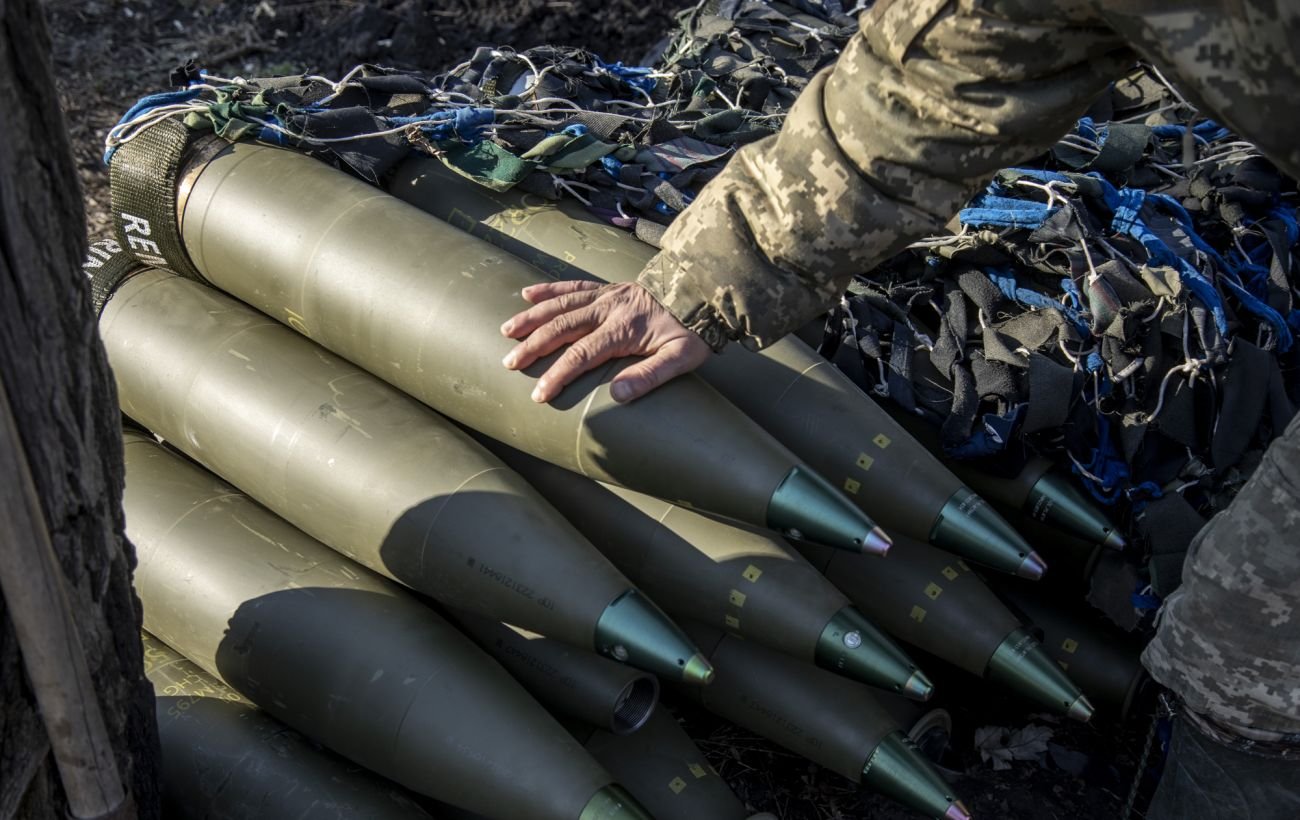
- ammunition.
Thus, the DPA will reduce dependence on a single supplier in arms procurement.
It is specified that the goal of the introduced changes is:
- a more reliable supply of critical means;
- an optimal ratio of price and capabilities of suppliers.
It is expected that this mechanism will minimize “both the consequences of objective force majeure circumstances” (for example, damage to production lines) and “potential unscrupulous actions of the manufacturer.”
“Diversification of contracts allows us not to depend on a single manufacturer and reduces the risks of supply disruptions. We expected this decision – it is logical in wartime conditions,” noted the director of the Defense Procurement Agency, Arsen Jumadilov.
What will change in practice
In practice, this will mean that when procuring defense products, the DPA:
- will not choose a single supplier;
- will distribute orders among several participants (if there are two or more acceptable offers).
It is emphasized that the distribution of volumes will occur according to a special formula.
At the same time:
- if a participant offers a price that is 30% or more above the lowest price, the offer will not be considered;
- if several participants offer products from the same manufacturer, the offer with the lowest price will be considered;
- in the case of using raw materials supplied by the customer, their price will be included in the calculation;
- the actual ability of suppliers to fulfill the contract will be taken into account;
- if a supplier cannot fulfill their volume, the remainder will be redistributed among others.
“This approach also fosters competition among manufacturers, as the volume of the contract is distributed among several participants and depends on their ability to deliver,” added Jumadilov.
Who will approve the distribution
It is noted that the decision on distribution is first approved by the Collegial Body of the Agency.
After that, draft state contracts are submitted for approval to the Ministry of Defense.
This approach (together with the automated formation of needs based on real data from the front) is expected to significantly improve the quality of military supply.
“We continue to strengthen defense capabilities so that the military can focus on their main mission,” the DPA concluded.
Recall that we previously reported how the procurement system for drones for the Armed Forces of Ukraine is already changing.
Additionally, we explained how the military orders drones themselves and receives them quickly (how the IT system DOT-Chain Defence is useful).
Also read about the leader in combat effectiveness at the front – how the “Vampire” drone is changing the course of the war.


