
The Cabinet has abandoned the “large tax bill”: what is being proposed instead
The government has approved three important “tax” bills
The Cabinet of Ministers of Ukraine has approved three important laws regarding the extension of the military tax, as well as the taxation of international parcels and digital platforms.
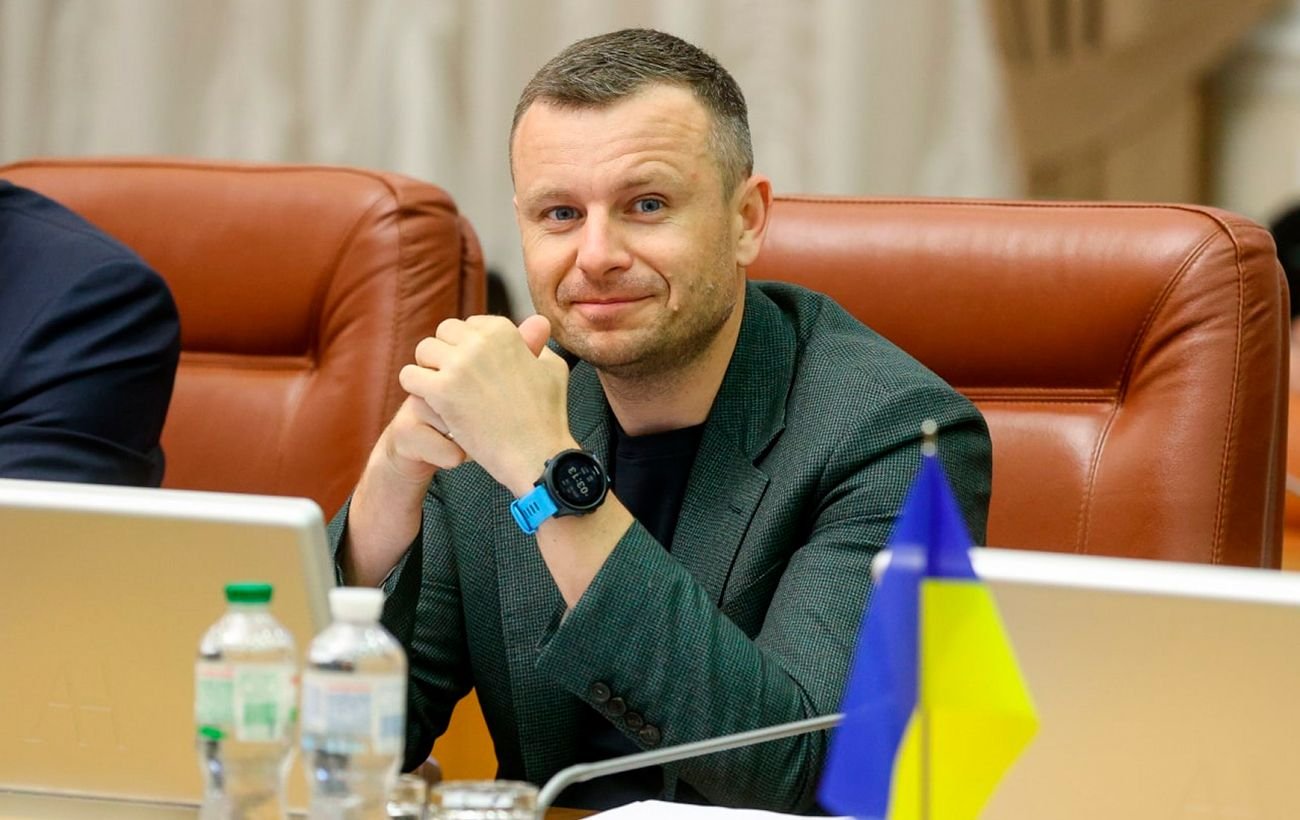
This was reported by RBC-Ukraine, citing the Facebook page of Ukraine’s Finance Minister Serhiy Marchenko.
Read also: Will the Cabinet revise the tax bill: what the Ministry of Economy says
“Today, the Cabinet of Ministers approved three bills developed by the Ministry of Finance,” Marchenko noted.
According to him, these concern:
- regulating the taxation of income received through digital platforms and introducing international information exchange (DAC7);
- taxation of international parcels starting from 0 euros;
- continuation of the military tax after the end of martial law.
“This is part of the government’s systematic work to reduce the shadow economy, ensure equal and fair competition conditions, and meet the key needs of the state in the post-war period,” the Finance Minister added.
Preparation of the laws
He also noted that the issues of taxing digital platforms and international parcels were developed in close dialogue with businesses, relevant associations, and experts.
Thus, dozens of consultations were held, resulting in a number of constructive proposals being taken into account, and now a consolidated position has been formed on the need to implement transparent and predictable rules.
Such changes are part of Ukraine’s commitments within the framework of its Euro-integration course.
Details of the bill on banks and digital platforms
The bills provide for the introduction of international automatic information exchange on income received through digital platforms in accordance with OECD standards and the EU DAC7 Directive.
It is proposed to introduce a taxation mechanism for individuals receiving income through digital platforms. The personal income tax rate will be 5% instead of the current 18%.
At the same time, the platform itself will act as the tax agent, significantly simplifying administration for citizens. Importantly, one-time, non-commercial sales of personal items will not be subject to taxation if the annual income from such transactions does not exceed 2,000 euros.
This approach also reduces the tax burden for self-employed individuals, encourages voluntary income declaration, and contributes to the reduction of the shadow economy.
Market participants in digital platforms publicly support the introduction of unified rules. The proposed changes will take effect on January 1, 2027.
Bill on the taxation of international shipments
The proposed changes provide for the application of VAT to international shipments regardless of their value, following a model already in place in European Union countries.
VAT will be automatically charged and included in the price of the goods at the time of purchase on the electronic platform. At the same time, tax exemption for non-commercial shipments valued up to 45 euros will remain. The implementation of these changes will help level the competitive playing field and reduce the volume of “gray” imports.
Bill on the extension of the military tax
“The continuation of the military tax after the end of martial law is a necessary step dictated by the war. This decision is based on the fact that the needs of the security and defense sector will remain significant, as well as the necessity of financing the country’s recovery,” Marchenko added.
According to the latest estimates, the need for Ukraine’s recovery amounts to approximately $588 billion. Meanwhile, the VAT bill for certain individual entrepreneurs is currently in the process of coordination and refinement and will be submitted for approval in the near future.
What about VAT for individual entrepreneurs?
Among the documents, there is currently no bill on the introduction of VAT for individual entrepreneurs. According to RBC-Ukraine from government sources, the Cabinet plans to approve it separately and submit it to the Rada a bit later.
This information was also confirmed by Marchenko in his post.
“The VAT bill for certain individual entrepreneurs is currently in the process of coordination and refinement with the central executive authorities and will be submitted for approval in the near future,” he wrote.
Recall that in February, the International Monetary Fund lifted the preliminary conditions for a new $8.1 billion credit program for Ukraine. This concerns the requirements for VAT for individual entrepreneurs, duties on parcels, taxes for digital platforms, and the military tax.
As for VAT for individual entrepreneurs, an agreement has been reached to increase the threshold for its application from 1 to 4 million hryvnias. Thus, it will affect not 660,000 representatives of small businesses, but 257,000.


