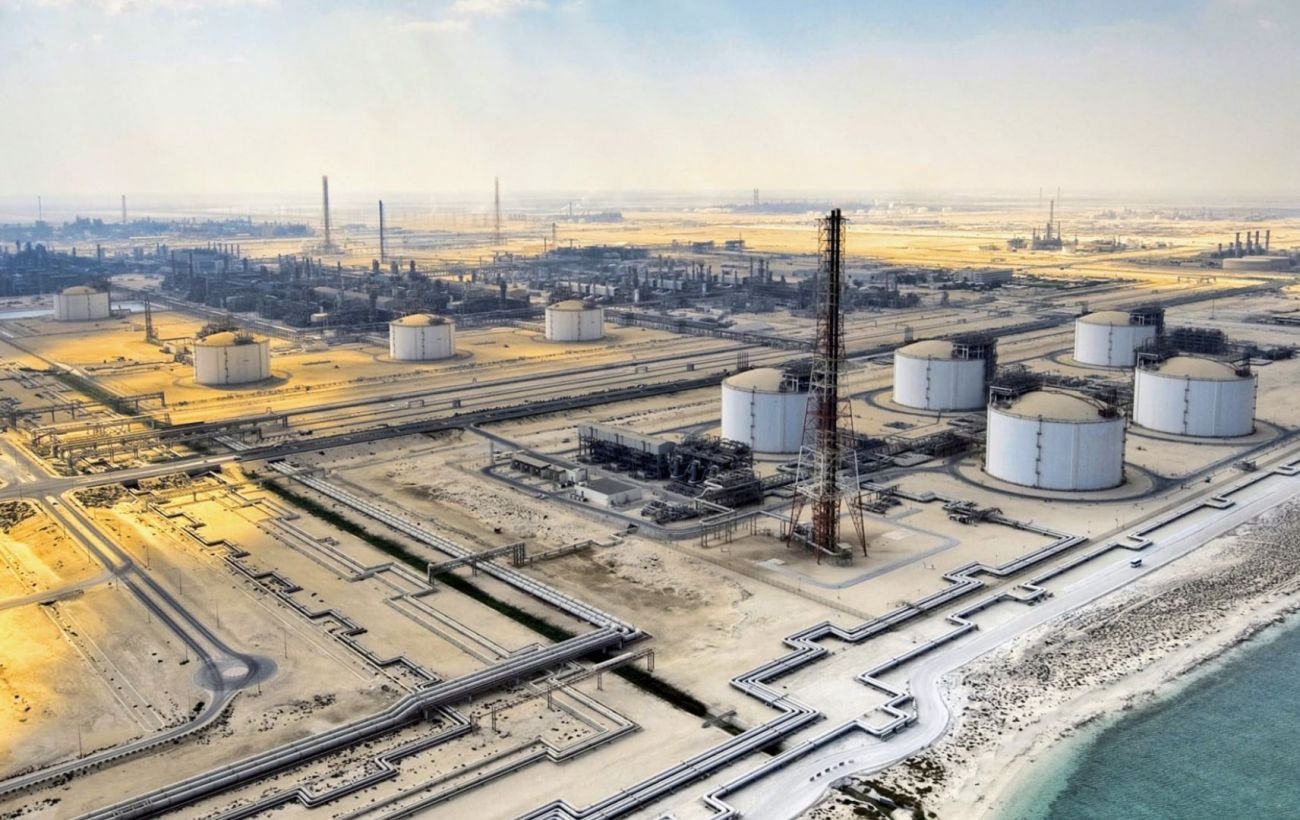
Iran’s Attacks on Qatari LNG Plant Will Have Serious Consequences
The largest liquefied natural gas (LNG) producer in Qatar, QatarEnergy, may declare force majeure due to Iranian attacks on infrastructure. These attacks have already led to the destruction of 17% of the country’s export capacity.
This was reported by RBC-Ukraine, citing Reuters.
Also read: “The strike was 350 meters from the reactor”: details emerge about the attack on the Bushehr nuclear power plant in Iran
According to QatarEnergy CEO Saad al-Kaabi, two of Qatar’s 14 LNG facilities and a gas-to-liquids (GTL) plant were damaged as a result of the strikes.
Due to the shutdown of production of 12.8 million tons of LNG per year, Qatar stands to lose about $20 billion in annual revenue. Al-Kaabi stated that repairs and restoration of the facilities will take three to five years.
Additionally, the attacks have impacted other energy resources: condensate exports will decrease by 24%, liquefied petroleum gas (LPG) by 13%, and helium production will drop by 14%.
Al-Kaabi added that QatarEnergy is forced to declare force majeure on long-term gas supply contracts to Italy, Belgium, South Korea, and China.
Among the affected production lines are facilities where Qatar’s partners include American ExxonMobil and British-Dutch Shell. Overall, due to the Iranian attacks on infrastructure, the region has been set back in development by 10 to 20 years, and the stability of the energy hub has been seriously undermined.
Shelling of the Plant in Qatar
Recall that on the morning of March 19, it became known that Iran had again attacked Qatar with ballistic missiles. The world’s largest LNG complex in Ras Laffan was hit again—less than 12 hours after the first strike.
Qatar has already condemned the attack and stated that it reserves the right to respond. The previous attack occurred 12 hours earlier, and on March 2, Iranian drones also struck QatarEnergy facilities in Ras Laffan.
Meanwhile, strikes on gas and oil infrastructure in the Persian Gulf have pushed fuel prices to a new level, and analysts warn that the worst is yet to come, especially following Iran’s attacks on the LNG plant in Iran.


