Deadline for possible agreement between Paris and Berlin is mid-April
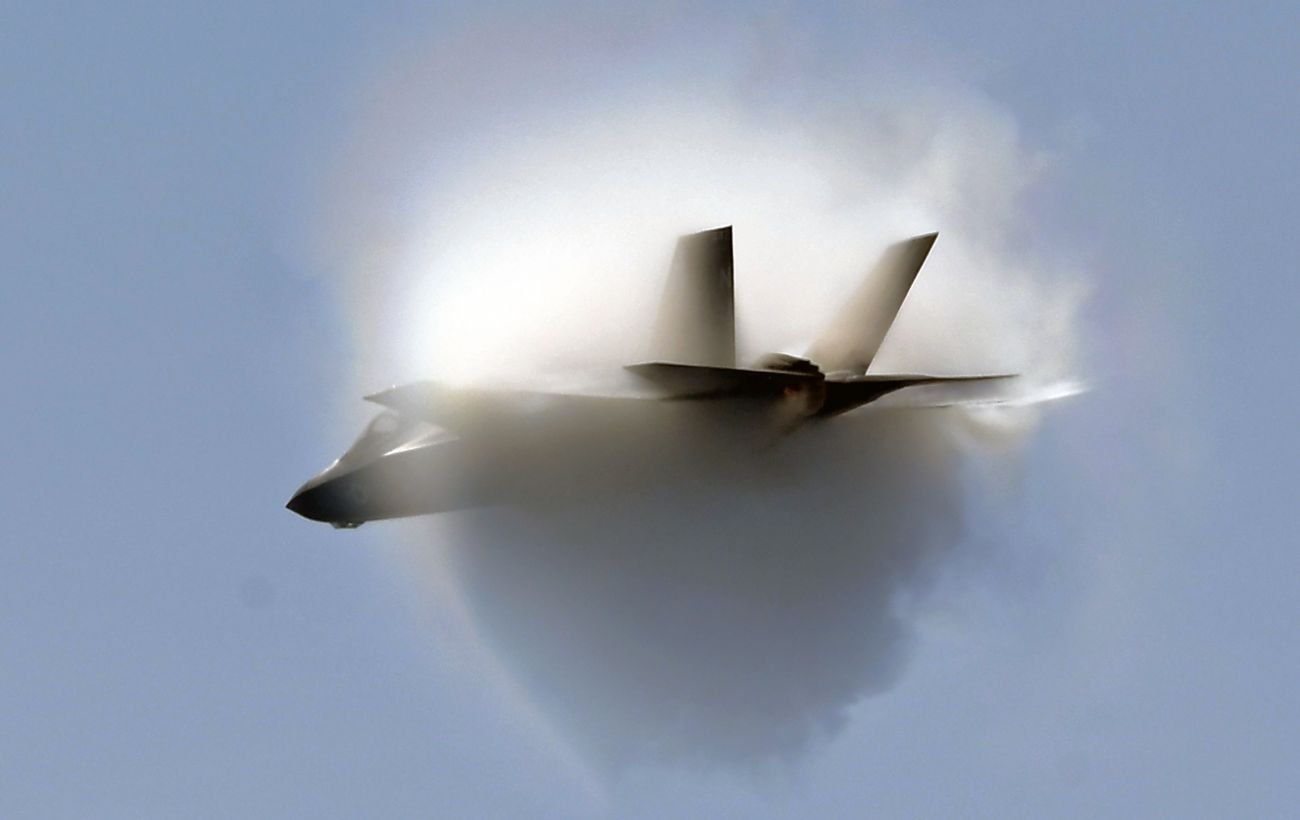
France and Germany will make one last attempt to agree on the joint development of a next-generation fighter jet. The deadline for the project is already approaching in April.
This was reported by RBC-Ukraine, citing Politico.
Also read: Is the Pacific Fleet of Russia preparing? Zelensky intrigued with a statement about maritime drones
The “Future Combat Air System” (FCAS) project has been “on pause” for several months due to disagreements between the French company Dassault Aviation and the German Airbus Defence and Space. However, today, March 19, officials from Germany and France announced that they would attempt to revive the program.
“They simply cannot come to an agreement. Our task is to ensure that they reach an agreement, so we have jointly decided to launch an initiative to bring Airbus and Dassault closer together in the coming weeks,” said French President Emmanuel Macron.
At the same time, a German official noted that a result must be achieved by mid-April, and this will be the last attempt.
“Germany and France have agreed on a final attempt at mediation between the industries, which will be conducted by experts. Given the upcoming decisions on the federal budget, a result must be achieved by mid-April,” he said.
What is known about FCAS
FCAS is an innovative European combat complex developed by Dassault Aviation, Airbus, and Indra Sistemas. Its components will include remotely operated vehicles as well as a next-generation fighter jet.
The test flight of the demonstration model is expected around 2027, with operational deployment occurring within the next 10 years. Airbus reports that the first test flight of the FCAS fighter jet, along with a swarm of drones, is scheduled for 2028 or 2029.
Recall that Emmanuel Macron emphasized the need for Europe to focus on developing its own long-range weapon systems in response to the Russian “Oreshnik” missile, which has a range covering European territories.
Additionally, The Wall Street Journal reported that despite the increase in defense budgets for most EU countries, Europe faces serious gaps in weapon production that will require trillions of dollars and decades to resolve.


